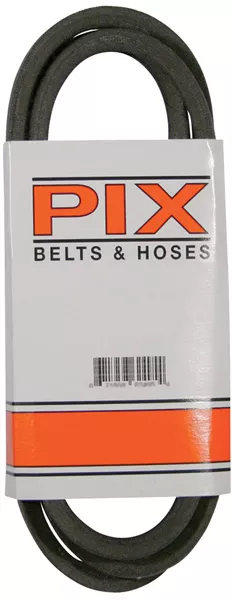
When your equipment starts squealing or throws a belt right in the middle of a job, you need a reliable replacement fast. This 102-inch classic v-belt gets your machinery back to work with the dependable performance that polyester cord construction delivers. Whether it’s driving a PTO, running a cooling fan, or powering hydraulics, this belt handles the constant flexing and load changes that come with farm and shop work.
What You’re Getting
- Polyester cord construction that resists stretching and maintains proper tension longer than older rubber belts
- Oil and grease resistant compound that won’t deteriorate when exposed to hydraulic fluid or engine oil
- Antistatic design prevents electrical buildup that can damage sensitive electronic components
- Standard A-section profile (1/2 inch wide) fits most common agricultural and industrial applications
- 102-inch length handles longer drive systems on larger equipment
Built for Real Farm Work
This belt fits a wide range of agricultural machinery from compact utility tractors to larger implements. You’ll find this size commonly used on hay balers, combine harvesters, irrigation systems, and various PTO-driven equipment. It’s also popular in shop applications like compressors, generators, and other belt-driven machinery where reliability matters.
Made to Last
The polyester cord construction gives this belt superior strength compared to older fabric-reinforced designs. It handles temperature swings from cold winter storage to hot summer field work without cracking or hardening. The oil-resistant rubber compound keeps performing even when exposed to the hydraulic fluid, diesel fuel, and other chemicals that are part of farm life.
Good to Know
Installation is straightforward – just make sure the pulleys are clean and properly aligned before slipping on the new belt. Check the belt tension after a few hours of operation, as new belts often need a slight adjustment once they’ve seated properly. Keep the old belt as an emergency spare if it’s still serviceable – you never know when you’ll need a backup during busy season.