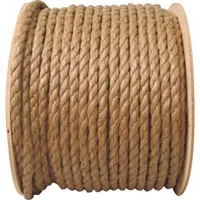
When you need rope around the farm that won’t let you down, this twisted polypropylene ‘unmanila’ rope delivers where it counts. Whether you’re securing a tarp over hay, rigging a temporary gate, or need something strong for countless farm tasks, this rope gives you the strength of manila rope at half the weight and a better price. It’s the kind of practical solution that makes your day easier.
What You’re Getting
- Much stronger than manila rope but half the weight, so it’s easier to handle when you’re working alone
- Won’t rot, mildew, or get damaged by petroleum products—perfect for farm conditions where equipment leaks happen
- Waterproof and floats, which comes in handy around stock tanks or when something drops in the pond
- Twisted construction means it’s spliceable for permanent repairs, but remember to bind or fuse the ends to prevent unraveling
- Chemical resistant, so diesel fuel, hydraulic fluid, and other farm fluids won’t weaken it
Built for Real Farm Work
This rope shines in agricultural settings where you need something reliable that can handle the elements. From securing loads on your pickup to rigging temporary fencing, creating wash lines at the barn, or even emergency repairs on equipment—this polypropylene rope handles it all. It’s particularly handy for livestock operations where you might need rope around water or in wet conditions.
Made to Last
Farm life is tough on equipment, and your rope needs to keep up. This twisted polypropylene construction stands up to UV exposure, temperature swings, and the rough handling that comes with daily farm work. Unlike natural fiber ropes, it won’t weaken when it gets wet or harbor bacteria that could affect your livestock.
Good to Know
This rope is easy to work with and splice when you need permanent connections. Just remember to heat-seal or bind the cut ends to prevent fraying—a quick pass with a lighter or torch does the trick. Store it out of direct sunlight when possible to maximize its lifespan, though it’s far more UV-resistant than natural ropes.